



Healthy-looking skin is not necessarily skin without a single line, pore, or spot. More often, it is skin that looks smooth, even, and refreshed. The challenge is that sun exposure, acne scars, wrinkles, and natural aging can gradually change both the surface and deeper structure of the skin. At some point, skincare alone may not provide the level of renewal you want.
Laser resurfacing offers another way forward by using controlled laser energy to address damaged skin and encourage renewal. Yet not every laser works the same way. Ablative treatments remove portions of the skin’s outer layers, while non-ablative options work without removing the surface in the same manner.
Continue reading as we break down these two approaches, including their results, recovery, and how to decide which one better fits your skin.
What Is Laser Resurfacing?
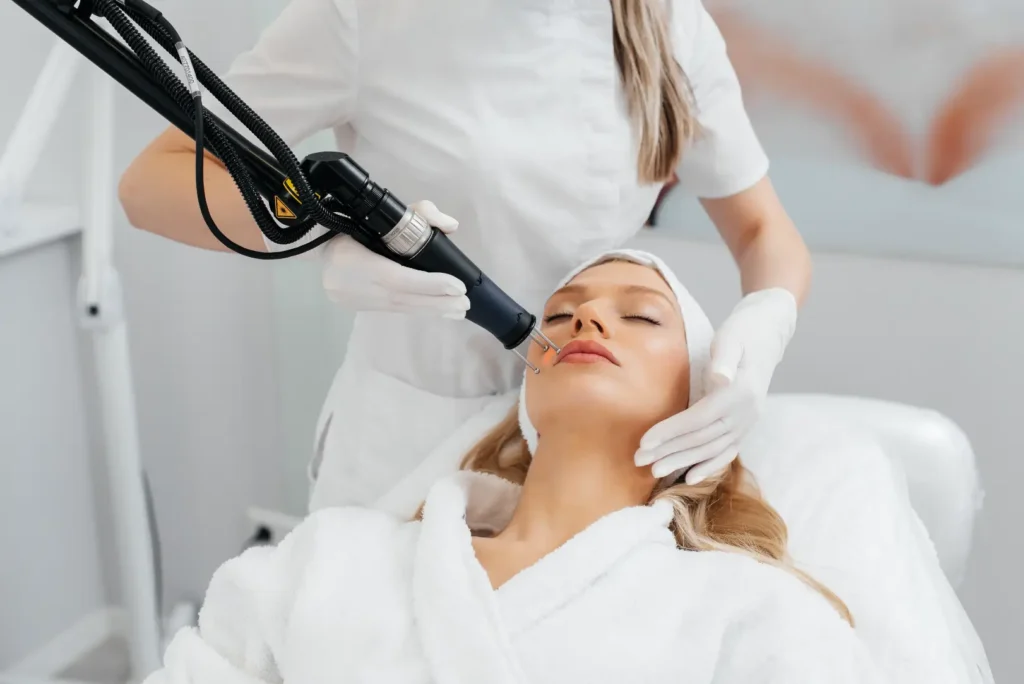
Laser resurfacing is a cosmetic treatment that uses concentrated light energy to create controlled changes within the skin. Depending on the technology, the treatment can remove damaged surface tissue or deliver energy beneath an intact surface to stimulate remodeling.
One option available at Fitzy Shades MedSpa is the Aerolase Era, a medical-grade ablative laser. This technology is designed to improve skin tone and texture, minimize wrinkles, and perform ablative resurfacing across a range of skin tones, including darker complexions when appropriately selected and treated.
Ablative resurfacing removes targeted portions of the skin’s outer layers. This controlled process encourages the underlying skin to repair itself and produce new collagen, gradually contributing to smoother and firmer-looking skin.
The important part is choosing the right technology and treatment intensity. A patient wanting significant resurfacing may need a very different approach from someone seeking gradual improvement with less visible recovery.

Ablative vs. Non-Ablative: What Really Changes?
The biggest difference between these treatments is what the laser does to the skin and how much recovery follows. Once you understand that distinction, comparing the two becomes much easier.
1. Ablative Lasers Remove Surface Tissue
An ablative laser creates controlled injury by removing portions of the skin’s outer layers. That may sound intense, but the controlled injury is exactly what initiates the resurfacing process.
Once damaged tissue has been removed, the skin begins repairing itself. Collagen production is stimulated as part of that response, while new surface tissue gradually replaces what was treated.
Because an ablative treatment physically resurfaces the skin, it can be particularly valuable when more noticeable correction is desired. Patients with established wrinkles, uneven texture, or certain scars may benefit from discussing this stronger approach.
The Aerolase Era offered at Fitzy Shades MedSpa falls within this category. Its purpose is not simply to give the face a temporary glow. It is designed to create controlled resurfacing that can address visible texture and aging concerns.
2. Non-Ablative Lasers Leave the Surface Intact
A non-ablative laser takes a different route. Rather than removing the skin’s outer layers, it delivers controlled energy into targeted tissue while leaving the surface largely intact.
The energy creates a thermal response that can stimulate collagen remodeling over time. Because there is less disruption to the outer skin, recovery is generally easier than with more aggressive ablative procedures.
That difference can make non-ablative treatment attractive to patients who cannot accommodate significant visible downtime. The trade-off is that improvement may develop more gradually, and multiple sessions may be recommended depending on the concern.
This does not make non-ablative technology weaker in every situation. It simply has a different purpose. Some patients value maximum correction from a more intensive treatment. Others prioritize a lighter recovery and are comfortable building results over several sessions.
3. Fractional Treatment Adds Another Layer
The conversation becomes a little more nuanced when fractional resurfacing enters the picture. “Fractional” does not automatically mean ablative or non-ablative.
Fractional technology treats microscopic columns or zones of skin while leaving surrounding tissue untreated. Those untreated areas can support the healing process. Both ablative and non-ablative lasers can use fractional approaches, depending on the device.
A fractional ablative treatment removes microscopic columns of tissue rather than uniformly removing the entire surface. A fractional non-ablative treatment creates microscopic thermal injury beneath the surface without ablating those columns in the same way.
This flexibility allows providers to adjust treatment based on the patient’s concern, skin characteristics, and acceptable recovery.
So, when researching laser procedures, asking whether a treatment is “fractional” is only the beginning. You also want to know whether it is ablative or non-ablative and how aggressively it will be performed.
4. Wrinkle Treatment Depends on Depth
Patients frequently ask, does laser resurfacing help wrinkles? It can, although the degree of improvement depends on the type and severity of the wrinkles and the laser selected. Fine lines caused partly by surface changes may respond differently from deeper creases associated with volume loss, repetitive facial movement, or significant tissue laxity.
Ablative resurfacing can be particularly useful when wrinkles are accompanied by rough texture and visible surface aging. Removing damaged tissue while stimulating collagen can gradually create a smoother appearance.
Non-ablative treatment may also improve fine lines by promoting collagen remodeling without removing the surface. Results tend to build over time and may require a series of sessions. Neither approach can correct every wrinkle. Deep folds caused by volume loss or significant sagging may require another treatment strategy.
Good rejuvenation begins by identifying why a wrinkle exists rather than simply treating every line the same way.
5. Acne Scars Need the Right Strategy
Acne may disappear, but the textural changes it leaves behind can last much longer. Depressed scars can create shadows and unevenness that become especially noticeable under certain lighting.
An acne scar treatment laser works by creating controlled injury that encourages skin remodeling. More intensive ablative resurfacing may be considered for patients with noticeable textural irregularities, while non-ablative approaches may be appropriate when a gentler strategy is preferred.
The type of acne scar matters just as much as its severity. Rolling, boxcar, and ice-pick scars have different structures and may not respond equally to the same laser.
Some scars also involve tethering beneath the skin. In those cases, laser resurfacing alone may not address every component of the scar.
This is why a personalized evaluation matters. The goal is not simply to “laser the scars.” It is to identify their characteristics and determine whether resurfacing alone or a combination plan is more appropriate.
6. Ablative Treatment Can Create More Noticeable Change
When comparing ablative vs. non-ablative resurfacing, treatment intensity is one of the clearest distinctions. Ablative technology is generally chosen when patients are willing to accept a more involved recovery in exchange for more substantial resurfacing.
Removing damaged outer tissue allows the treatment to directly address texture and surface irregularities. The accompanying repair response also supports collagen production beneath the surface. This can make ablative treatment appealing for more established signs of aging or damage.
However, stronger is not automatically better. Treating skin more aggressively than necessary can increase recovery and potential risks without providing a meaningful advantage for someone with mild concerns. The best intensity is the one appropriate for your skin, not simply the highest setting available.
7. Non-Ablative Treatment Can Fit a Busy Schedule
Some patients want rejuvenation but cannot disappear from work or social activities for an extended recovery period. That practical concern matters.
Non-ablative treatments generally involve less surface disruption. Depending on the device and settings, patients may experience temporary redness, swelling, or sensitivity, but recovery is often shorter than after aggressive ablative resurfacing. This can make the approach useful for patients seeking progressive improvements that fit more easily around everyday commitments.
Results may also require patience. Because the treatment relies heavily on gradual remodeling rather than removing significant surface tissue, changes often accumulate across several weeks or treatment sessions. For the right patient, that is not a disadvantage. It is simply a different way to reach the goal.
8. Downtime Is Part of Your Decision
Laser skin resurfacing downtime varies considerably. The word “laser” alone tells you very little about what recovery will actually look like.
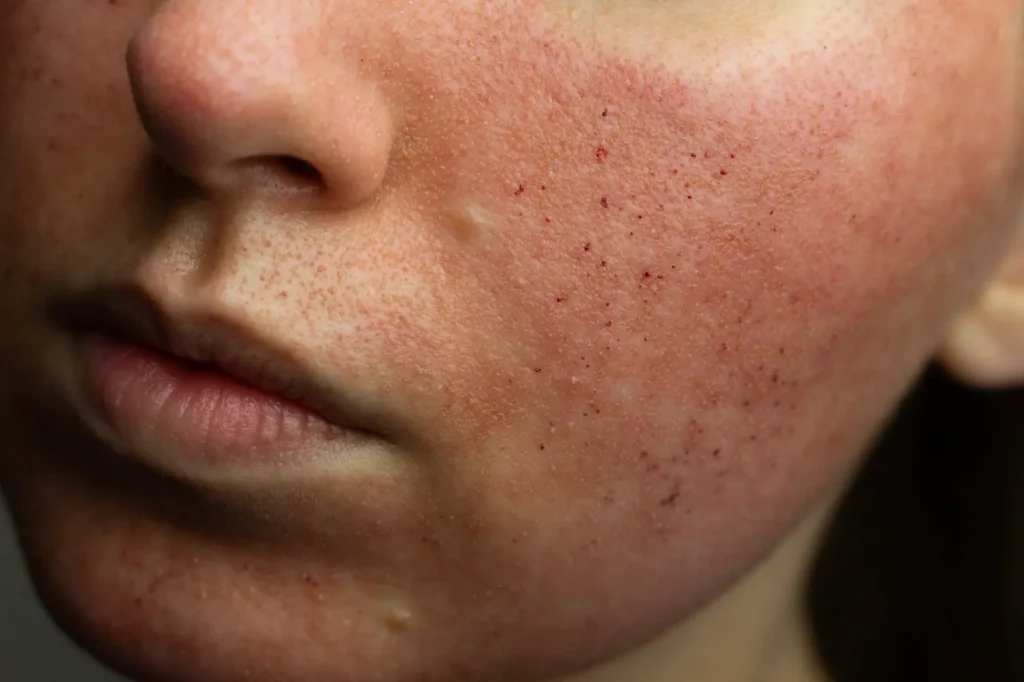
Ablative procedures typically involve more visible healing because the skin’s surface has been intentionally treated. Redness, sensitivity, swelling, peeling, or crusting may occur depending on the depth and intensity of resurfacing.
Non-ablative treatments tend to involve a shorter and less visible recovery because the surface remains more intact. However, neither category has one universal downtime. Device settings, treatment area, skin characteristics, and treatment depth all influence recovery.
This is why your calendar belongs in the consultation. If you have a wedding, vacation, major presentation, or another important event approaching, mention it. Your provider can help determine whether the treatment and timing realistically fit your plans.

Resurface With a Purpose
Choosing laser resurfacing should not come down to whichever technology sounds more powerful. Ablative and non-ablative treatments each have distinct strengths, and the right choice depends on how much correction you want, the condition of your skin, and the recovery that comfortably fits your life.
At Fitzy Shades MedSpa in Prosper, TX, patients can explore resurfacing options based on their individual concerns and skin characteristics, including advanced ablative treatment with Aerolase Era. A personalized approach can help you move beyond simply wanting “better skin” and choose the technology that makes sense for the changes you actually want to see.
Contact us today to book your appointment!