
You may have upgraded your skincare routine, invested in quality treatments, and stayed diligent with sunscreen, yet your reflection still seems to age faster than expected. Fine lines deepen, skin feels thinner, and that healthy glow becomes harder to maintain. While external factors certainly play a role, the changes happening beneath the surface may tell a different story.
One of the most overlooked contributors to premature aging is hormonal decline. As hormone levels naturally shift with age, they influence everything from collagen production to hydration, elasticity, and cellular repair. Hormone replacement therapy (HRT) is designed to help restore hormonal balance, supporting not only overall wellness but also healthier, more resilient skin.
Keep reading to discover how hormones influence the aging process and why HRT has become an important part of many patients’ long-term wellness and anti-aging strategies.
What Is HRT?
Understanding how hormones affect the body begins with understanding what Hormone Replacement Therapy actually does.
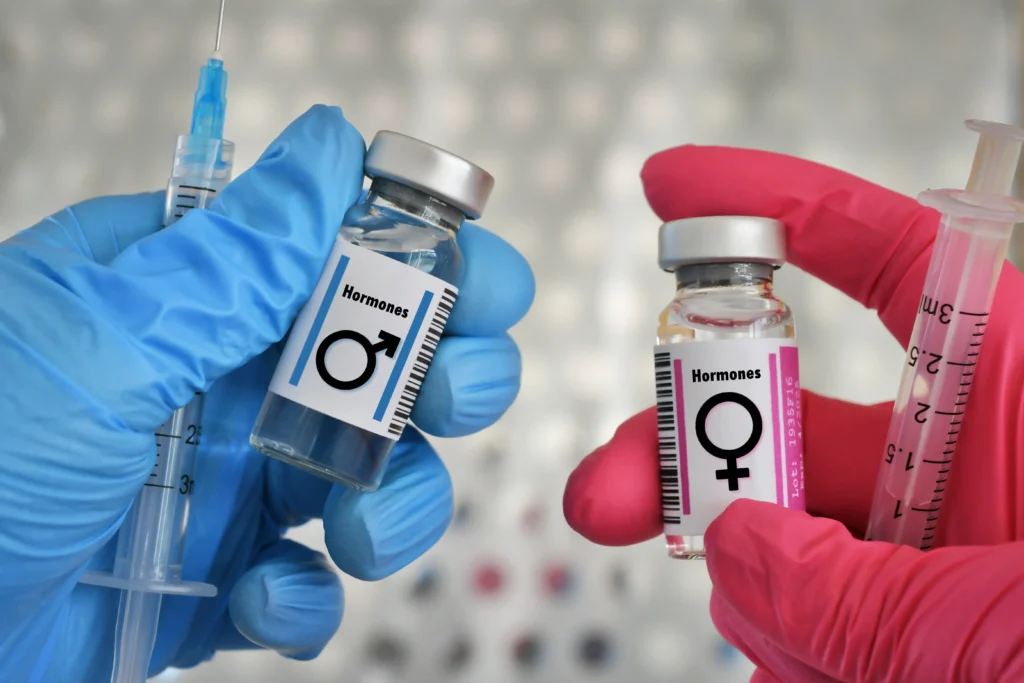
Hormone Replacement Therapy (HRT) is a personalized medical treatment that restores declining hormone levels by replacing hormones such as estrogen, progesterone, or testosterone with carefully prescribed therapies that closely resemble the body’s natural hormones. Rather than masking symptoms, HRT addresses one of their underlying causes: hormonal imbalance.
As hormone levels become more balanced, many patients experience improvements in energy, sleep, mood, metabolism, bone health, and even the appearance of their skin. Because every patient experiences hormonal changes differently, treatment plans are tailored according to comprehensive evaluations, laboratory testing, symptoms, and long-term health goals.
The Hormone-Skin Connection
Your skin is often one of the earliest places where hormonal changes become visible. While aging naturally slows collagen production, hormonal decline can accelerate that process. The result isn’t simply more wrinkles, it affects skin thickness, moisture retention, healing capacity, elasticity, and even facial volume.
Understanding this relationship helps explain why many aesthetic concerns cannot be fully addressed through skincare products alone.
1. Estrogen Helps Maintain Healthy Skin
Estrogen plays a remarkable role in preserving youthful skin. Among its many functions, estrogen supports collagen production, maintains skin thickness, encourages hydration, and contributes to healthy circulation throughout the skin. As estrogen declines during perimenopause and menopause, these protective effects begin to diminish.
Patients experiencing estrogen decline and skin changes in Prosper frequently notice that their skin suddenly feels drier, thinner, and less resilient than it did just a few years earlier. This change often appears as:
- Increased fine lines
- Loss of firmness
- Crepey texture
- Drier complexion
- Reduced elasticity
- Slower healing
Because these changes originate internally, topical products may provide only partial improvement.
2. Collagen Production Slows
Collagen serves as the skin’s structural framework. When hormone levels remain balanced, collagen production supports firmness, elasticity, and resilience. As estrogen declines, collagen loss accelerates, particularly during the first several years after menopause.
Research has shown that significant collagen reduction may occur during this transition, contributing to noticeable skin aging. This is one reason many patients explore HRT for skin quality and elasticity as part of a comprehensive anti-aging plan.
Rather than replacing collagen directly, balanced hormone levels help create an environment where healthier collagen maintenance becomes possible.
3. Skin Becomes Thinner
Many people associate aging with wrinkles, but skin thinning often begins much earlier. Healthy hormones help regulate skin thickness by supporting cellular renewal and maintaining the dermal matrix.
When hormone production decreases, skin gradually loses density, becoming more fragile and transparent. Patients sometimes notice:
- Easier bruising
- Increased skin sensitivity
- Visible blood vessels
- Reduced resilience
- More noticeable creases
These subtle changes often develop gradually, making them easy to overlook until they become more pronounced.
4. Hydration Declines
Hydrated skin naturally appears smoother, healthier, and more radiant. Hormonal decline affects the skin’s ability to retain moisture, reducing both natural oil production and water content. Even patients who have never struggled with dry skin may suddenly find themselves constantly applying moisturizers without achieving lasting comfort.
As hydration decreases, fine lines become more apparent, and skin loses its youthful luminosity. Restoring hormonal balance may help support healthier moisture retention from within, complementing medical-grade skincare rather than replacing it.
5. Elasticity Begins to Fade
Elasticity allows skin to bounce back after movement. Over time, declining collagen and elastin production reduces this flexibility. Areas around the jawline, neck, cheeks, and eyes often begin showing subtle laxity long before significant sagging develops.
The growing awareness of the connection between hormones and skin aging in Texas has encouraged many patients to evaluate hormonal health alongside cosmetic treatments. Supporting skin internally often creates a stronger foundation for long-term rejuvenation.
6. Cellular Repair Slows Down
Healthy skin constantly renews itself. Every day, damaged cells are replaced through carefully regulated repair processes influenced by numerous hormones. When hormonal balance shifts, these regenerative mechanisms become less efficient.
Patients may notice:
- Longer healing after procedures
- Persistent dullness
- Slower recovery from irritation
- Reduced skin radiance
Although aging naturally affects cellular turnover, hormone balance remains an important contributor to healthy regeneration throughout adulthood.
Beyond Skin: Hormones Influence Whole-Body Aging
Beautiful skin rarely exists independently of overall health. Hormones regulate countless systems that indirectly affect how youthful we look and feel.
Supporting hormonal balance may contribute to healthier aging across multiple areas of wellness.
1. Energy Shapes Appearance
Fatigue changes the face. Persistent exhaustion often contributes to dull skin, under-eye circles, decreased activity levels, and increased stress. When hormones become imbalanced, energy frequently declines as well.
Many patients describe feeling more like themselves once hormonal balance improves. Higher energy often encourages:
- More consistent exercise
- Better nutrition
- Improved sleep
- Healthier daily routines
All of these habits contribute to healthier-looking skin over time.
2. Better Sleep Supports Better Skin
Sleep serves as one of the body’s most important repair periods. Unfortunately, hormone changes often disrupt normal sleep patterns through night sweats, insomnia, or frequent waking.
Poor sleep contributes to:
- Increased inflammation
- Slower collagen production
- Duller complexion
- Delayed healing
Supporting healthy hormone levels may improve sleep quality, allowing nighttime repair processes to function more effectively.
3. Stress Hormones Affect Aging
Hormones do not work independently. Chronic stress increases cortisol production, which may contribute to collagen breakdown, inflammation, and accelerated visible aging.
While HRT does not directly eliminate stress, improving overall hormonal balance often helps patients feel more resilient, emotionally stable, and physically capable of managing life’s daily demands. A healthier internal environment frequently reflects in healthier skin.
Recognizing Hormonal Skin Changes
Many patients assume skin aging simply happens overnight. In reality, subtle symptoms often appear years before significant changes become obvious. Common hormone imbalance skin symptoms in Prosper, TX, may include:
- Skin that suddenly becomes much drier
- Loss of facial fullness
- Increased sensitivity
- Slower healing
- Fine lines appearing more rapidly
- Reduced firmness around the jawline
- Crepey texture on the neck and chest
- Less vibrant complexion despite consistent skincare
Recognizing these signs early allows patients to explore whether hormonal evaluation may be appropriate.
Why Comprehensive Care Matters
Hormonal balance represents only one piece of healthy aging. The most successful long-term treatment plans combine medical wellness with thoughtful aesthetic care. Many patients benefit from pairing HRT with:
- Medical-grade skincare
- Collagen-stimulating procedures
- Healthy nutrition
- Strength training
- Sun protection
- Stress management
- Consistent sleep habits
Rather than chasing individual symptoms, this comprehensive approach supports healthier aging from multiple directions simultaneously.
Invest in Aging Beautifully
Healthy, radiant skin begins long before the first wrinkle appears on the surface. Hormonal balance influences collagen production, hydration, elasticity, cellular repair, and many of the internal processes that shape how gracefully we age. While skincare and aesthetic treatments remain valuable, hormone replacement therapy addresses one of the foundational factors that topical products alone cannot reach.
At Fitzy Shades MedSpa in Prosper, TX, patients receive individualized guidance designed to support both wellness and confidence through every stage of life. Whether you’re noticing early hormonal changes or looking for a comprehensive anti-aging strategy, the team is committed to creating personalized treatment plans that help you feel vibrant, balanced, and beautifully refreshed from the inside out.
Contact us today to schedule your appointment!