
Sometimes skin doesn’t look bad so much as it stops looking smooth. Makeup may settle into tiny irregularities. Pores can seem more noticeable. Old acne scars catch the light differently. Or the skin simply feels rough even after you’ve moisturized. The frustrating part is that all of these concerns can get lumped together as texture, even though they don’t come from the same process.
That distinction matters when choosing a skin texture treatment. Dryness, congestion, acne scarring, pigmentation, and early age-related changes may respond to very different approaches. At Fitzy Shades MedSpa, treatments such as HydraFacial, SkinPen, chemical peels, Aerolase, and Morpheus8 can each play a different role depending on what is creating the unevenness.
Keep reading to understand which treatments are designed for surface roughness, which go deeper, and why the best way to improve skin texture begins with identifying the actual concern rather than simply choosing the strongest treatment.
The Best Ways to Improve Skin Texture
Smooth-looking skin is influenced by several layers and structures, so one treatment cannot reasonably be expected to correct every type of texture. The better approach is matching the treatment to the problem.
1. First, Figure Out What Texture Means
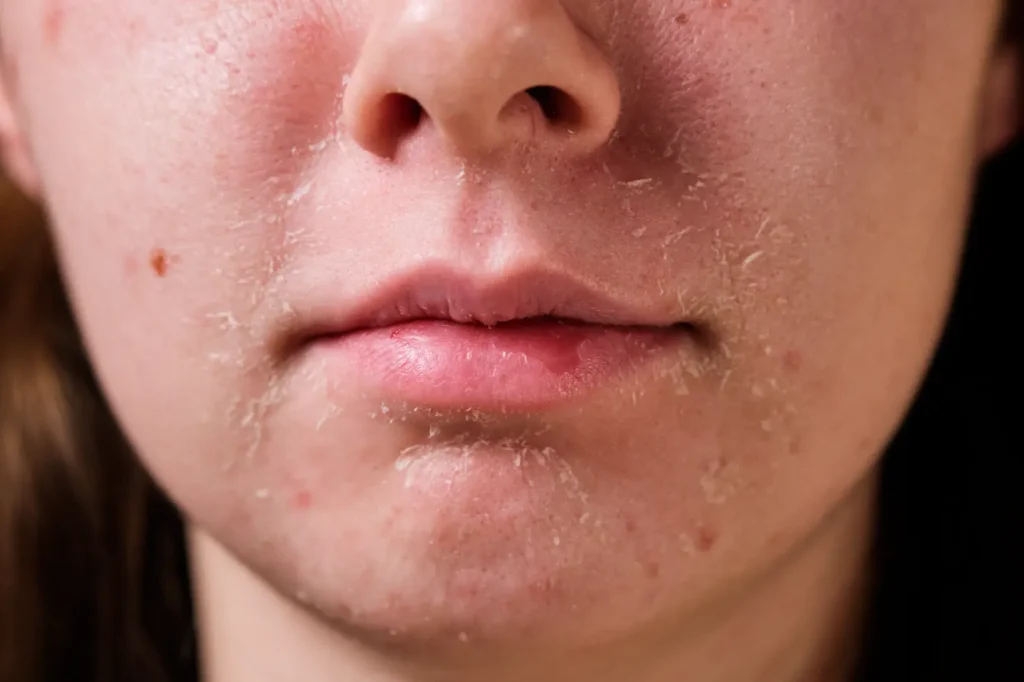
Textured skin can describe several completely different things. Dry skin may look rough or flaky because its barrier has lost too much moisture. Acne can create bumps and clogged follicles. Previous breakouts may leave depressed scars. Sun exposure and normal aging can make fine lines and uneven tone more noticeable.
Dermatology guidance describes dry skin as skin that can become rough, flaky, cracked, or irritated when it loses water and protective oils. Acne scarring is another issue entirely. Depressed acne scars sit below the surrounding skin and may require procedures designed to remodel the affected tissue.
Established acne-scar treatments include microneedling, chemical peels, fillers, laser treatment, and other procedures selected according to the type of scar. Then there are enlarged pores. Pores are normal skin structures, so the goal isn’t to make them disappear.
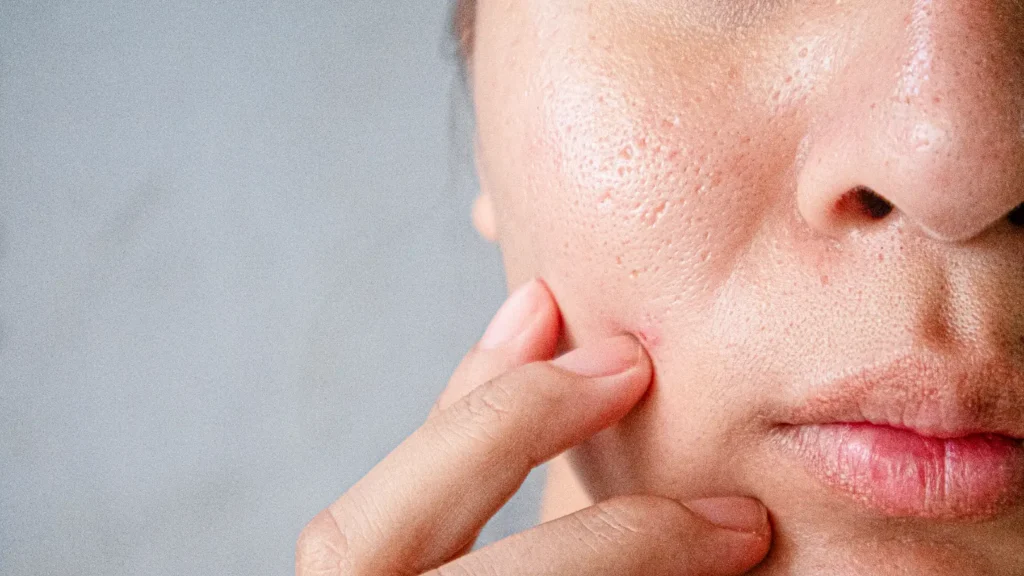
Rather, treatment may focus on the factors that make them look more noticeable, such as oiliness, congestion, acne, or surrounding skin quality. This is why a good rough skin treatment begins with diagnosis, not a menu.
2. HydraFacial for Surface Congestion and Hydration
If your skin mainly looks dull, congested, or dehydrated, a surface-focused treatment may make more sense than starting with something aggressive. HydraFacial combines cleansing, exfoliation, extraction, and hydration through a hydradermabrasion-style process. That makes it more appropriate for superficial buildup and hydration concerns than for deep structural acne scars.
The clinical evidence for hydradermabrasion is smaller than the evidence base for procedures such as microneedling or chemical peels, so expectations should stay grounded. In a randomized study of 20 women, six hydradermabrasion treatments were associated with reductions in fine lines, pore size, and hyperpigmentation, along with measurable changes in epidermal and dermal tissue.
That study was small, so it doesn’t prove that every patient will experience the same results. For someone searching for a facial for textured skin, HydraFacial may therefore make the most sense when the concern is closer to the surface: congestion, dullness, dehydration, or a generally less-refined appearance.
It shouldn’t be positioned as a treatment that removes deep acne scars or permanently eliminates pores.
3. SkinPen for Depressed Acne Scars
When the issue is true acne scarring, the treatment conversation changes. SkinPen Precision is a powered microneedling system that mechanically creates controlled punctures in the skin. Its regulatory indication is specific: SkinPen Precision is authorized as a prescription microneedling device intended to improve the appearance of facial acne scars in adults aged 22 years and older.
That is an important distinction. It is more accurate than simply saying SkinPen is FDA-approved for skin rejuvenation. The broader evidence for microneedling for skin texture is strongest when acne scarring is involved.
A systematic review of randomized controlled trials found that microneedling was effective for atrophic acne scars both alone and in combination with other treatments, although larger and longer-term studies were still needed.
So, for patients bothered by acne scars and texture, SkinPen may fit more logically than a hydrating facial. Results also develop differently. Microneedling is not designed to create an instant polished finish. Its purpose is to trigger a healing response that gradually remodels the treated tissue. That makes patience part of the treatment plan.
4. Chemical Peels for Surface Roughness and Uneven Tone
Chemical peels can be useful when the concern sits closer to the skin’s outer layers. A chemical peel applies a controlled chemical solution that causes exfoliation at a selected depth. Depending on the formulation and strength, a peel may be superficial, medium-depth, or deeper.
Chemical peels are used for rough-feeling skin, dull complexion, uneven pigmentation, fine lines, sun-damaged skin, melasma, age spots, and some types of acne. That makes them particularly useful when uneven skin texture overlaps with discoloration.
Peel depth matters, though. A light peel does not provide the same degree of resurfacing as a medium or deep peel, and recovery increases with treatment depth. Medium and deep peels require downtime, with deep peels potentially requiring two to three weeks of recuperation.
Patients with acne scars may also hear about peels as part of a scar plan. For depressed scars, chemical peels can stimulate collagen and elastin production, and mild or medium peels may require a series of treatments. That doesn’t mean every acne scar will respond equally well to a peel. Scar type and depth still matter.
5. Aerolase When Texture Overlaps With Other Concerns
Some patients don’t have one isolated texture issue. They may have roughness plus acne, redness, pigmentation, or early photodamage. Fitzy Shades MedSpa offers Aerolase Neo Elite, which uses a 1064 nm Nd:YAG laser. That wavelength has been studied for several dermatologic applications, including nonablative skin rejuvenation.
Clinical research on 1064 nm Nd:YAG treatment has found improvements in facial skin quality, including texture and wrinkles, with evidence of dermal remodeling in some studies. Those findings support the broader concept of Nd:YAG treatment for rejuvenation, although results from one laser platform should not automatically be assumed to apply identically to every 1064 nm device.
That distinction matters. Aerolase can be introduced as one option when texture appears alongside another concern appropriately treated with the platform, but it shouldn’t be described as a universal smooth skin treatment for every rough patch or enlarged pore.
The most responsible use of laser therapy begins with the concern being treated, the patient’s skin type, and the particular device and settings being used.
6. Morpheus8 for RF Microneedling
Morpheus8 belongs to yet another category. Rather than traditional microneedling alone, Morpheus8 combines an array of needle-like electrodes with radiofrequency energy. FDA clearance documents describe the system as using fractional RF multi-electrode technology to deliver radiofrequency energy into the skin through arrays of pins.
That means it is not simply a deeper version of SkinPen. The addition of RF energy changes both the mechanism and the safety considerations. Systematic reviews support RF microneedling for selected textural and aging concerns.
A 2025 review involving 16 studies and 481 patients found that fractional RF microneedling was likely effective as a monotherapy for facial acne scars, while noting that further randomized trials are needed to clarify optimal treatment parameters.
A broader 2026 systematic review also found that RF microneedling studies reported improvements in skin texture and tightening across facial rejuvenation applications.
However, that evidence needs to be balanced with current safety information. Reports of burns, scarring, fat loss, disfigurement, and nerve damage have been associated with certain uses of RF microneedling devices.
So Morpheus8 should not be presented as simply stronger microneedling. It is a medical RF procedure that requires appropriate patient selection, settings, and trained administration.
7. Enlarged Pores Need Realistic Goals
If your pores seem larger than they used to, it can be tempting to search for a treatment that will close them. That isn’t a realistic biological goal. Pores are part of normal skin anatomy. Their visibility may be influenced by sebum, congestion, acne, skin laxity, and surrounding texture, but professional treatments do not literally remove the openings.
A better enlarged pores treatment focuses on making pores look less prominent. Hydradermabrasion may help when surface congestion contributes to their appearance; the small study discussed earlier reported a decrease in measured pore size after a treatment series.
Chemical peels may also help when surface buildup and roughness overlap, since peels are used to create smoother skin and treat certain forms of acne. If pore visibility occurs alongside deeper textural changes, collagen-remodeling procedures may be considered, but the treatment still needs to match the underlying concern. The goal is refined-looking skin, not poreless skin.
Choose the Right Kind of Smooth
There is no single skin texture treatment because there is no single form of textured skin. Dehydration, surface buildup, enlarged-looking pores, active acne, depressed scars, pigmentation, and early aging all require different thinking.
At Fitzy Shades MedSpa, patients looking for skin texture treatment in Prosper, TX can explore options such as HydraFacial, SkinPen, chemical peels, Aerolase, and Morpheus8 based on what is actually creating the unevenness.
A thoughtful consultation can help determine whether your skin needs surface refreshment, scar remodeling, laser treatment, RF microneedling, or simply a better-supported skin barrier. So, get in touch with us today!