
Walking into a med spa menu can feel a little like opening a restaurant menu written in another language. HydraFacial, SkinPen, Morpheus8, Aerolase, Lumecca, chemical peels, wrinkle relaxers. They may all sound appealing, but they don’t solve the same problem.
That is the most useful thing to understand about med spa treatments. The right starting point is not the device or brand name. It is the concern you want to improve. Acne, acne scars, dark spots, dullness, wrinkles, laxity, unwanted hair, and weight-management goals all call for different treatment strategies, and some require medical evaluation before an aesthetic procedure even enters the picture.
This guide connects the most common concerns with the treatment categories that may make sense for them. Think of it as a decision map, not a prescription. The final choice should still come from an individualized consultation.
Match Your Concern to the Right Treatment
The best med spa treatments are the ones that address the mechanism behind the problem. Here is where the major options may fit.
1. Acne: Start With the Breakout, Not the Scar
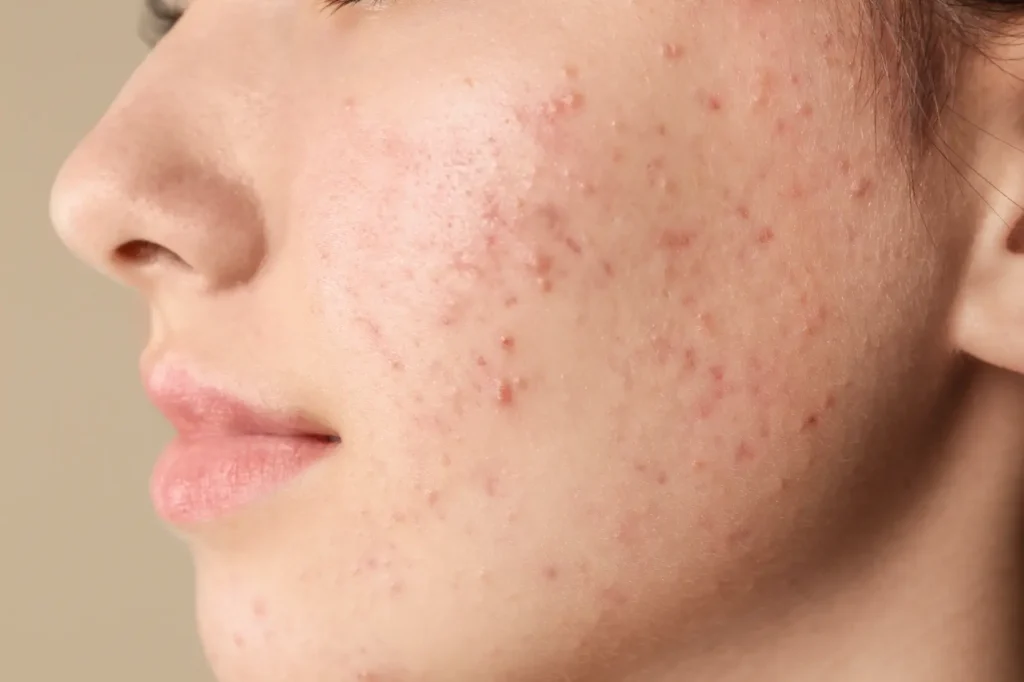
Active acne and acne scars are different problems, so they should not automatically receive the same treatment. Current acne guidelines prioritize evidence-based medical therapies such as topical retinoids, benzoyl peroxide, salicylic acid, certain antibiotics, and hormonal therapies where appropriate.
The same guidelines note that evidence is not strong enough to broadly recommend procedures such as chemical peels, laser and light devices, or microneedling as stand-alone acne treatment. The American Academy of Dermatology’s updated acne guidelines make that distinction clear.
That means a treatment for acne may begin with controlling the breakouts themselves rather than immediately choosing an aesthetic procedure.
At Fitzy Shades MedSpa, an acne-focused facial may still make sense when congestion, oiliness, and surface debris are part of the picture. Aerolase may also be discussed for selected patients. The Neo Elite is a 1064 nm Nd:YAG laser whose manufacturer lists acne among the platform’s intended aesthetic applications, but that device-specific claim should not be treated as a replacement for established acne management. Aerolase describes Neo Elite as a platform used for acne and several other dermatologic concerns.
If acne is persistent, painful, cystic, or leaving scars, medical assessment should come before simply booking the most popular facial.
2. Acne Scars: Think Remodeling
Once acne is controlled, treatment can shift toward the marks and depressions it left behind. Acne scars vary significantly. Some are depressed into the skin, while others are raised. Dark marks after acne may not be scars at all, but post-inflammatory pigmentation. This is why treatment for acne scars has to be selected according to scar type.
For depressed acne scars, recognized options include chemical peels, laser treatment, fillers, microneedling, radiofrequency, scar surgery, and combinations of these approaches. Dermatology guidance notes that more than one treatment may be used because different scars respond differently.
SkinPen may fit when microneedling is appropriate. Specific medical microneedling devices have been legally authorized to improve facial acne scars in adults aged 22 and older. These devices create controlled punctures in the skin and may require multiple procedures to achieve the desired improvement.
Morpheus8 adds radiofrequency energy to microneedling. RF microneedling is used for aesthetic procedures such as wrinkles, resurfacing, tightening, and rejuvenation, but it carries a different risk profile from standard microneedling. Reports involving certain uses have included burns, scarring, fat loss, disfigurement, and nerve damage, so it should be treated as a medical procedure rather than as an upgraded facial. Current RF microneedling safety guidance emphasizes trained providers, patient selection, and careful risk discussion.
Chemical peels can also have a role because they may help stimulate collagen and elastin in depressed scars. Mild and medium peels often require a series rather than one treatment. Acne-scar guidance describes chemical peeling as one of several tools that may be incorporated according to scar characteristics.
3. Dark Spots: Find Out What the Pigment Is First
Dark spots are a description, not a diagnosis. Pigmentation can come from sun exposure, acne inflammation, melasma, freckles, age spots, or other causes. That matters because a treatment for hyperpigmentation should be chosen according to the pigment pattern, skin tone, and underlying trigger.
Chemical peels are used for concerns that include age spots, uneven tone, melasma, freckles, sun damage, and some forms of discoloration. They can also improve roughness and dullness at the same time. Chemical-peel guidance lists these among the established concerns dermatologists treat with appropriately selected peels.
Lumecca may be another option when pigment is suitable for IPL treatment. FDA documentation for the InMode Multi platform identifies Lumecca as an IPL applicator operating across broad light ranges and includes benign pigmented epidermal lesions such as dyschromia, hyperpigmentation, melasma, and freckles among the indications associated with its SR IPL technology. The device documentation distinguishes these pigment applications from other handpieces within the same platform.
Aerolase may also enter the conversation depending on the pigment concern and skin type, but it should not automatically be treated as interchangeable with Lumecca. Melasma deserves extra caution. Laser and light treatments may sometimes be added to a broader melasma plan, but they are not universally appropriate, and results depend heavily on patient selection and accompanying medical treatment.
Dermatology guidance describes laser or light procedures as potential adjuncts rather than stand-alone universal solutions for melasma. So if your main complaint is dark spots, diagnosis comes before the device.
4. Dull Skin: HydraFacial May Be the Simpler Starting Point
Not every concern needs a laser or collagen-remodeling procedure. Sometimes the skin simply looks tired, congested, dry, or less luminous. A surface-focused facial treatment may be a more proportionate starting point.
HydraFacial combines cleansing, exfoliation, extraction, and hydration in a single treatment process. That makes it conceptually different from microneedling or RF procedures designed to stimulate deeper remodeling.
For someone whose primary concern is dullness rather than deep scarring or laxity, this type of facial may make more sense than immediately choosing an aggressive procedure. That does not mean HydraFacial should be presented as a cure-all.
It is better positioned as a treatment for surface-level concerns such as hydration and congestion, not as a substitute for scar remodeling or skin tightening. If dullness is actually being caused by pigmentation, photodamage, active acne, or another medical skin issue, a different plan may be needed.
5. Uneven Texture: SkinPen or a Peel May Fit
Uneven skin texture can mean almost anything from superficial roughness to depressed acne scars. The depth of the problem helps determine the treatment. SkinPen and other medical microneedling devices may be relevant when the concern involves acne-scar texture or facial wrinkles.
Specific devices have been legally authorized for those uses in adults aged 22 and older. Microneedling creates controlled punctures and may require multiple sessions, with improvement potentially requiring maintenance over time.
Chemical peels work differently. Rather than creating mechanical micro-injuries, they create controlled chemical exfoliation at a selected depth. They may be considered for rough-feeling skin, dullness, discoloration, fine lines, and some forms of acne. Peel depth influences both the degree of resurfacing and the amount of recovery involved.
That is why someone searching for the right skin treatments for texture should first decide whether the issue feels like surface roughness or true structural irregularity. A facial may help one. Microneedling may make more sense for the other.
6. Fine Lines: Decide Whether Movement or Skin Quality Is Driving Them
Fine lines do not all form for the same reason. If a line becomes noticeably stronger when you frown, smile, squint, or raise your eyebrows, muscle activity is contributing. Botulinum toxin injections work by temporarily relaxing targeted muscles, which can diminish certain expression-related lines for several months. This is the basic mechanism behind neuromodulator treatments used for wrinkles.
That category includes products such as Botox, Dysport, Jeuveau, and Xeomin, although their individual FDA-approved treatment areas and dosing systems differ. A treatment for wrinkles may therefore involve wrinkle relaxers when muscle movement is the main driver.
But a fine line associated with rough texture, photodamage, or broader skin-quality change may call for a different approach. Microneedling, peels, laser treatments, or other rejuvenation strategies may be considered depending on the concern. This is why “I have fine lines” does not automatically translate to “I need Botox.”
7. Sagging Skin: Morpheus8 May Enter the Conversation
Sagging skin is a deeper concern than dullness or surface roughness. Morpheus8 combines microneedles with radiofrequency energy, placing it in the RF microneedling category rather than traditional microneedling alone.
RF microneedling devices deliver heat into and below the skin through small electrodes, and they are used for procedures described as resurfacing, tightening, and rejuvenation. This may make Morpheus8 relevant for mild-to-moderate concerns involving skin quality and laxity, but there is an important limitation to keep in mind: non-surgical tightening is not the same thing as surgically repositioning tissue. The degree of sagging matters.
A patient with early laxity may have a very different treatment discussion from someone with significant jowling or tissue descent. The device should be matched to realistic goals, not simply chosen because “tightening” appears in the treatment description.
8. Unwanted Hair: Laser Hair Removal Changes the Maintenance Cycle
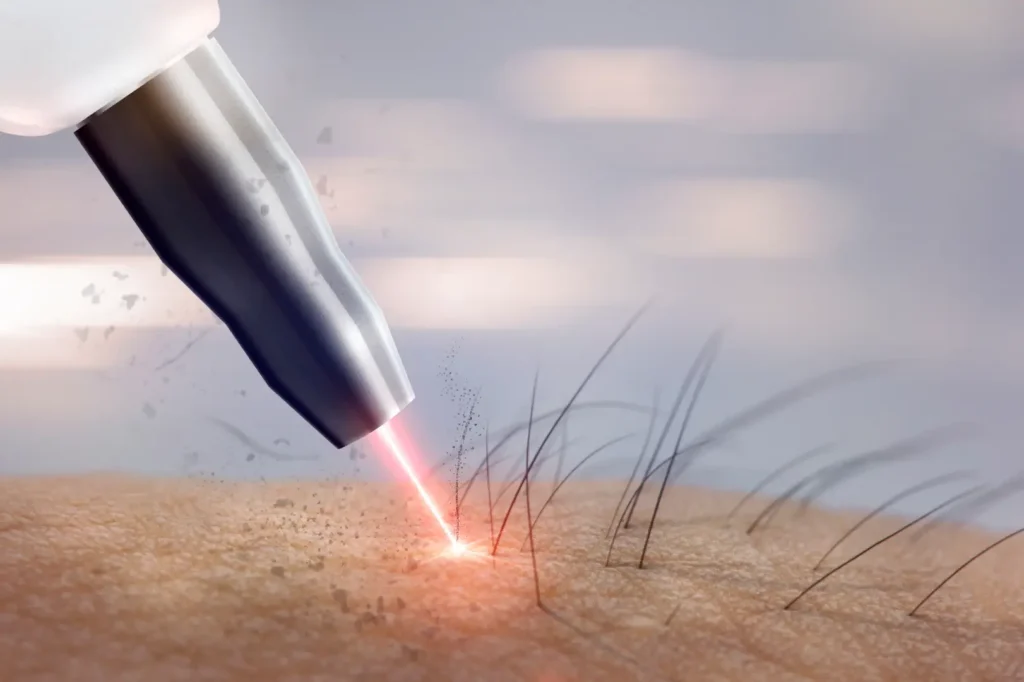
If unwanted hair is the concern, the treatment goal has little to do with resurfacing or rejuvenation. Laser hair removal targets hair follicles with light energy and is designed to reduce future regrowth. That distinguishes it from shaving, which cuts hair at the surface, and waxing, which temporarily removes hair from the follicle.
Aerolase Neo Elite may be used for hair-reduction concerns at Fitzy Shades MedSpa. Its manufacturer lists unwanted hair and pseudofolliculitis barbae among its applications. Hair color and skin tone still affect candidacy. Laser hair-removal technology depends on pigment in the hair to absorb energy, so very light, gray, white, or red hair may respond poorly to conventional systems.
Laser treatment also typically requires a series rather than one appointment. For someone whose main problem is repeated shaving, razor bumps, or constant waxing, professional hair reduction may fit far better than any facial treatment.
9. Weight Management: Treat It as Medical Care
Weight management belongs in a different category from skin procedures. Medically supervised weight management can include evaluation of weight-related health risks, lifestyle habits, medical history, medications, and individual goals. Prescription medication may be considered when appropriate, but it is only one piece of care.
Adults may be considered for prescription weight-management medications when BMI is 30 or greater, or when BMI is at least 27 with a weight-related health problem such as hypertension or type 2 diabetes. Medication does not replace healthy eating or physical activity and works best as part of a broader lifestyle program. Weight-management guidance describes medication as an adjunct rather than a substitute for behavioral and lifestyle treatment.
That distinction is important because medical weight loss should not be reduced to simply obtaining an injection. Treatment selection can depend on existing conditions, other medications, side effects, family history, and individual circumstances.
Some FDA-approved long-term medications include semaglutide and tirzepatide, alongside several other options. So if weight management is the concern, the right first appointment is a medical evaluation, not a cosmetic consultation alone.
Start With the Concern, Not the Machine
Finding the right med spa treatments becomes much easier when you work backward from the problem. At Fitzy Shades MedSpa, patients looking for a med spa in Prosper, TX can use a consultation to sort through these options instead of guessing from a menu.
The best med spa treatments are the ones chosen for your actual concern, your skin, your health history, and the result you realistically want.
Call us today to schedule your appointment!