Acne Treatment in Prosper, TX
Your acne finally cleared up. So why does your skin still remind you of it every time you look in the mirror?
The marks acne leaves behind can stick around long after the last breakout. The good news: there’s a lot we can do about them. At Fitzy Shades, we start by figuring out exactly what kind of marks you have, because the answer changes the treatment.
Is it a scar or a dark mark?
This is the most important question, and most people don’t know the answer. Here’s the difference.
Dark marks
are flat spots that are brown, tan or purple. They’re left behind when inflammation triggers extra pigment. Your skin’s surface is smooth when you run a finger over it. PIH is very common in medium and darker skin tones, and it often fades with the right care.
Red or pink marks
are flat, reddish spots where small blood vessels were affected by inflammation. They’re more common in lighter skin.
True acne scars
change the texture of your skin. They happen when a breakout damages the collagen underneath, so the skin heals with a dip or a raised area. You can usually feel them, and they show up more in certain lighting.
Many people have a mix of all three. Treating the wrong one wastes time and money, which is why we always start with an in person skin assessment.
Types of acne scars
Rolling scars
Wide, shallow dips with soft edges that give skin a wavy look.
Boxcar scars
Round or oval dents with sharper edges, often on the cheeks and temples.
Ice pick scars
Narrow, deep pits that look like large open pores.
Raised scars
Firm, raised areas where the skin made too much scar tissue. These include hypertrophic scars and keloids, and they need a different approach.
General texture
Uneven, bumpy skin that isn’t one clear scar type but makes makeup sit unevenly.
Acne scar treatment options at Fitzy Shades
Scars live below the surface, so treating them means getting your skin to rebuild collagen. That’s what the options below are designed to do.
SkinPen® microneedling
SkinPen creates tiny controlled channels in the skin to trigger its natural repair process and new collagen. SkinPen is FDA cleared for treating facial acne scars. We can add PRP or biorevitalization serums to support results.
Morpheus8
Morpheus8 pairs microneedling with radiofrequency energy to heat deeper layers of skin and remodel collagen. It’s a strong option for rolling scars, texture and scars combined with loose skin.
Aerolase laser
Aerolase can calm active breakouts and help with redness and texture, which makes it useful when you still get the occasional pimple while treating old scars.
Chemical peels and VI Peel
Peels help smooth surface texture and fade dark marks. They’re often part of a scar plan rather than the whole plan.
Ablative laser resurfacing
For deeper texture concerns, resurfacing removes thin layers of damaged skin so smoother skin can grow back. This option has more downtime and isn’t right for every skin type, so we’ll discuss it carefully at your consult.
Many people have a mix of all three. Treating the wrong one wastes time and money, which is why we always start with an in person skin assessment.
Acne scar treatment for skin of color
Darker skin can be treated for acne scars, and treated well. It does take a careful plan, because medium and deep skin tones are more likely to develop new dark marks if skin is irritated or overheated.
At Fitzy, that means choosing devices and settings with your skin tone in mind, preparing your skin before treatment when it helps, and protecting it during healing. Aesthetic equity isn’t a slogan for us. It shapes every plan we build.

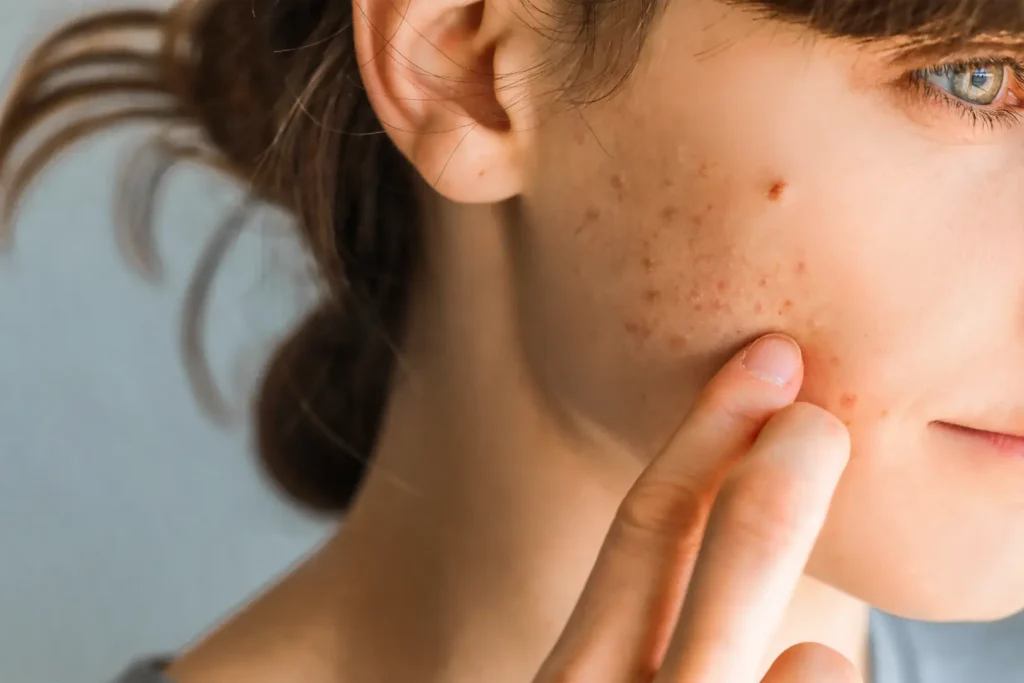
Still breaking out? Start with our Acne Treatment page. We’ll get breakouts calm first so new scars don’t form.
What's a realistic timeline?
Collagen takes time to rebuild. Most clients need a series of treatments spaced several weeks apart, and improvement continues for a few months after the last session. Scars usually improve, not disappear, and we’ll tell you honestly what change to expect for your skin.
Is acne scar treatment right for you?
You may be a good candidate if your active acne is mostly under control and you’re bothered by dents, texture or lingering marks.
You may need to wait or choose a different option if you’re pregnant or nursing, are taking or recently took isotretinoin, have active acne or infection in the area, have a history of keloid scarring, or have a recent sunburn or tan.
Frequently Asked Questions
Can acne scars be removed completely?
Most acne scars can be improved a lot, but rarely erased completely. The goal is smoother skin that you feel good about.
How do I know if I have scars or dark spots?
Run your finger over the area. If it’s flat, it’s likely a dark mark. If you feel a dip or bump, it’s likely a scar. Your provider will confirm at your consultation.
Is microneedling or Morpheus8 better for acne scars?
Both rebuild collagen. Morpheus8 reaches deeper and adds heat, which can help with rolling scars and loose skin. SkinPen is a great option for many scar types with less downtime. We’ll recommend the one that fits your scars.
Is there downtime?
It depends on the treatment. After microneedling, skin is usually red and tight for a day or two. Morpheus8 and resurfacing can take longer. We’ll go over exactly what to expect before you book.
Can I treat acne scars if I have darker skin?
Yes. We plan around your skin tone to lower the risk of new dark marks.
Smoother skin starts with the right diagnosis
Let’s find out what kind of marks you have and build a plan that actually fits them.