Hyperpigmentation & Dark Spot Treatment in Prosper, TX

Dark spots have a way of stealing the spotlight. You cover them with concealer, you try the brightening serum everyone’s talking about, and they’re still there.

Here’s the thing: not all dark spots are the same. Sun spots, post acne marks and melasma each start differently, and each needs its own approach. At Fitzy Shades, we figure out what’s behind your spots first, then build a plan that’s safe for your skin tone.
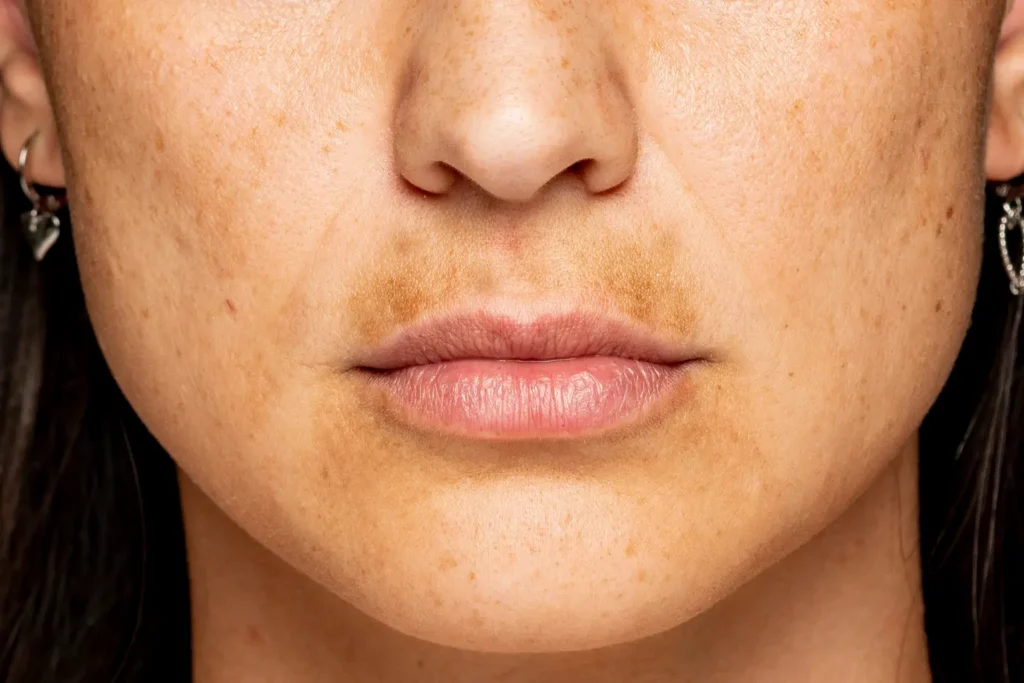
Close-up of a lower face with brown spots across the cheeks, nose, and chin, and darker coloration above the upper lip.

What causes hyperpigmentation?

Hyperpigmentation happens when your skin makes extra melanin, the pigment that gives skin its color, in certain areas. Common triggers include:
Sun exposure, including everyday sun through car windows
Inflammation from acne, bug bites, waxing, scratches or irritated skin
Hormone changes from pregnancy, birth control or hormone therapy
Heat, which can make melasma worse
Some medications and skincare ingredients that make skin more sensitive to light

Which kind of dark spots do you have?

Sun spots and age spots

Flat brown spots on the face, chest, hands and arms that build up over years of sun exposure. Common in lighter skin tones and in anyone who has spent a lot of time outdoors under the Texas sun.

Post acne marks (PIH)

Flat brown, tan or purple marks left behind after a breakout heals. They’re especially common in medium and darker skin. They can fade on their own, but often take many months without help. If you also have texture or dents, see Acne Scar Treatment.

Melasma

Larger patches, often on the cheeks, forehead, upper lip and chin, usually in a symmetrical pattern. Melasma is linked to hormones, sun and heat, and it tends to come back. It needs a gentle, long term plan, because aggressive treatment can make it darker.

Why darker skin needs a thoughtful plan

Melanin rich skin reacts more strongly to heat, inflammation and irritation. The wrong treatment, or the right treatment at the wrong setting, can leave new dark spots behind. That’s why some laser and light treatments that work well on lighter skin are not the right choice for deeper tones.

At Fitzy, aesthetic equity for all skin types means we choose each treatment with your skin tone in mind, prepare your skin before treatment when needed and adjust intensity carefully. You get results without trading one problem for another.

Hyperpigmentation treatment options at Fitzy Shades

01

Chemical peels

Peels remove the top layers of pigmented skin cells and encourage healthy turnover. We choose the strength and formula based on your skin.

02

VI Peel

The VI Peel line includes formulas designed to target pigment, and it’s one of our favorites for treating discoloration across a wide range of skin tones.

03

Lumecca IPL photofacial

Intense pulsed light targets brown spots and sun damage, and many clients see spots darken and then flake away. Lumecca is best suited to lighter skin tones and isn’t recommended for very dark skin or for most melasma.

04

Aerolase laser

Aerolase can treat pigmented lesions and melasma and can be used across a wider range of skin tones than many lasers, after a skin assessment.

05

SkinPen® microneedling

Microneedling improves uneven tone and helps skincare absorb more effectively. It’s often paired with peels or brightening serums.

06

Medical grade skincare at home

Treating pigment is a daily job. Your plan will include products with proven brightening ingredients and, above all, a broad spectrum sunscreen you’ll actually wear every day. Without sun protection, spots come back.

Why combination treatment is often recommended

Pigment sits at different depths in the skin, and one treatment rarely reaches all of it. A common plan pairs in office treatments like peels or Aerolase with a consistent home routine. For melasma, the home routine often does the heavy lifting, with gentle in office treatments supporting it.

What results can you expect?

Sun spots often respond quickly, sometimes after one or a few sessions. Post acne marks usually fade over a series of treatments. Melasma can be improved and managed, but it isn’t cured and can return with sun, heat or hormone changes. Maintenance is part of the plan.
Woman smiling while applying cream to her cheek with one finger

Frequently Asked Questions

What's the best treatment for dark spots?
It depends on the type of spot and your skin tone. Sun spots, PIH and melasma each respond to different treatments, which is why we start with an assessment.
Yes. Chemical peels are one of the most effective tools for many types of hyperpigmentation, especially when the formula and strength are matched to your skin.
Some lasers are better suited to darker skin than others. We choose the device and setting based on your skin tone and will tell you if a treatment isn’t the right fit.
They can, especially with sun exposure or hormone changes. Daily sunscreen and a maintenance plan help protect your results.
Some treatments aren’t recommended during pregnancy. Let’s talk through safe options for now and a plan for later.

Even tone starts with knowing what you're treating

We’ll identify your spots, explain your options and build a plan that respects your skin.